
Non-Surgical Cellular Orthopedic Treatments
Return to an active lifestyle with regenerative procedures for hip, knee and shoulder pain. Conveniently located in Chicago, IL.
Is cellular orthopedic treatment right for you?
We understand how arthritis and joint pain can affect your ability to fully function or enjoy the activities you love most. Our goal is to help patients regain their strength, mobility, and drive to enjoy life to the fullest. To find out how Dr. Sheinkop can help you get back to the activities you love most, call 312-475-1893. To schedule your arthritis consultation today, click here!
Non-Surgical Cellular Orthopedic Care for Pain Relief & Faster Healing
Request Regenerative Treatment Information by Email
IRB Approved Clinical Trials for Osteoarthritis of Knee, Hip, and Shoulders
We are pleased to announce that Mitchell Sheinkop, MD has been selected to participate in advanced IRB approved clinical trials to treat osteoarthritis of a major joint.
Click the Learn More Button below to read more details on eligibility.
Dear Friend,
If you have Osteoarthritis, knee pain, shoulder pain, or hip pain and are looking for a solution to the challenges you face, Cellular Orthopedic Treatment might be exactly what’s right for you. Over 4 years ago I exchanged my scalpel for a needle. Since then, I have been providing relief to my patients who qualify for Cellular Orthopedic Treatment by using minimally invasive techniques to help return them to a healthy, active lifestyle. The process I use to help alleviate your pain and discomfort means you might be able to postpone surgery, or in some cases even completely avoid it!
With over 37 years of joint replacement experience, what I bring to this new field of medicine is indispensable when it comes to the further development and implementation of Cellular Orthopedic Treatment. As a Board Certified Chicago, IL, Orthopedic Surgeon and Professor Emeritus, I have seen all the benefits of having a joint replaced and decided that Cellular Orthopedic Treatment has the potential to effectively treat patients just as well as — if not even better than — surgery.
Being informed is an important first step when choosing your Cellular Orthopedic Treatment Treatment. To make sure you get started on the right path, I wrote this report, “The Top 10 Things You Should Know Before Choosing Your Cellular Orthopedic Treatment Specialist.” The contents of this report will show you the ten most crucial questions to ask before you commit to a Cellular Orthopedic Treatment Treatment plan. Healthy joints are an incredibly important aspect to a vibrant, active lifestyle. Together, we can make sure your joints stay healthy and feel great for years to come!
To your health and future,


Dr. Mitchell Sheinkop
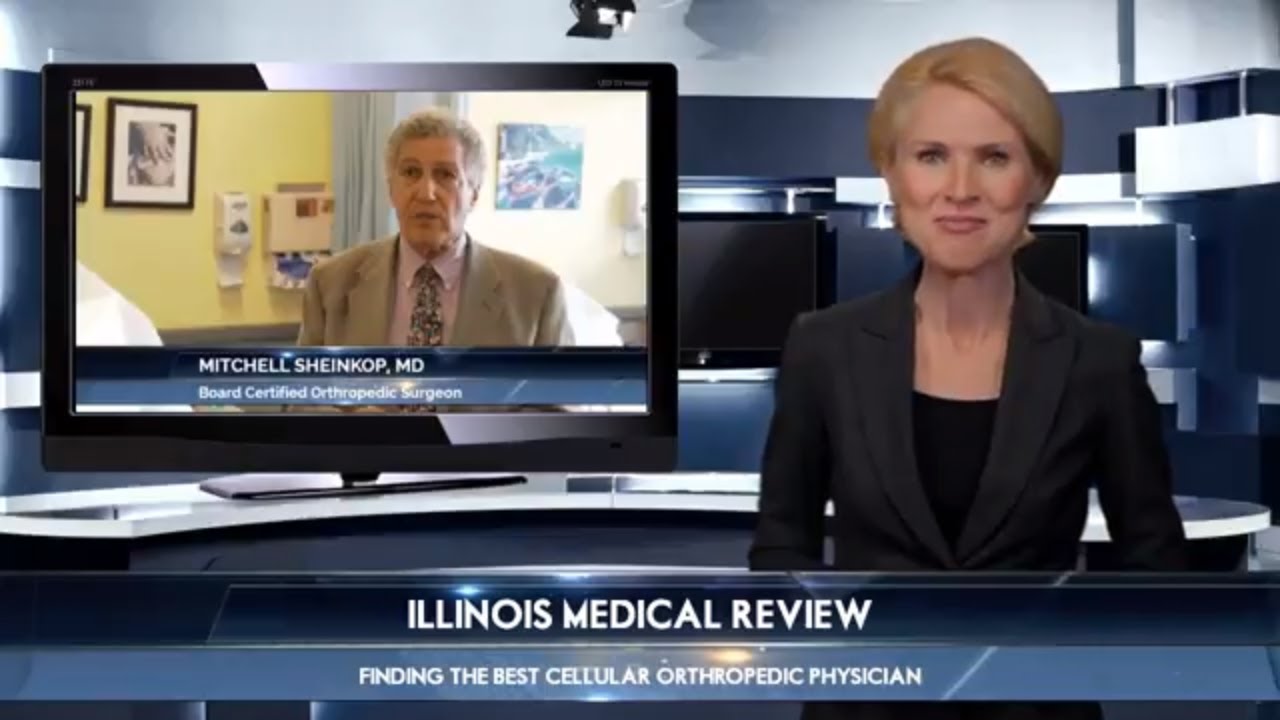
Dr. Sheinkop is a Board-Certified Orthopedic Surgeon in Chicago, IL. He is also a former director of the joint replacement program and Professor Emeritus at Rush University Medical Center. Recognized for his pioneering use of computer-assisted navigation, minimally-invasive technologies and hip resurfacing techniques, Dr. Sheinkop is one of the leading authorities on the treatment of patients with complex hip and knee disorders.
In addition, Dr. Sheinkop is well known for his pioneering use of computer-assisted navigation, minimally-invasive technologies and hip resurfacing techniques. He is a graduate of the Chicago Medical School and did fellowships in pediatric orthopedics and hand surgery. He has done extensive research in the fields of uni-compartmental, minimally invasive solutions, hip resurfacing systems, and navigated arthroplasty.
More About Dr. Sheinkop
Where Are You Experiencing Pain?
Orthopedic conditions and disorders affect the muscles, ligaments, and joints. They include ailments, injuries, or diseases that cause hip pain, shoulder pain, knee pain, or foot pain.
Select a problem area to learn more about the conditions we treat.
[interactive_body slug=”foot-and-ankle hand-and-wrist hip knee shoulder”]
[dk-eventbrite layout="cta"]
Latest Posts
50 Years plus in Orthopedics
“When you are finished changing, you are finished” is a quote attributed to Benjamin Franklin. For 39 years, I was a joint replacement surgeon at a large academic medical center in Chicago where I rose to be the Head of the Joint Replacement Program and Professor of...
Introducing Dr. Siddarth Tambar
As I enter into my last 8 weeks of seeing and treating patients I would like to officially introduce Dr. Siddarth Tambar, MD of Chicago Arthritis. I will continue to evaluate and treat Patients until July 31, 2023. Please continue to contact my office to schedule your...
“Is Arthritis Avoidable?”
Joint pain, stiffness and swelling aren’t always inevitable results of aging The above headline announced a featured article in the May 10, 2023 edition of the New York Times. Last Saturday night, my wife and I attended the Chicago Symphony Orchestra concert and...
